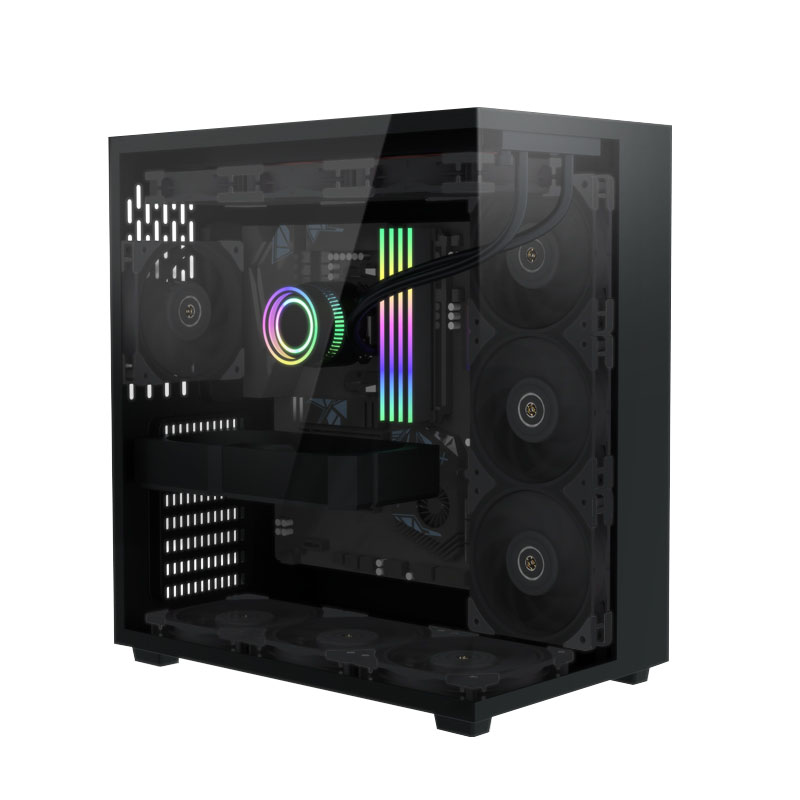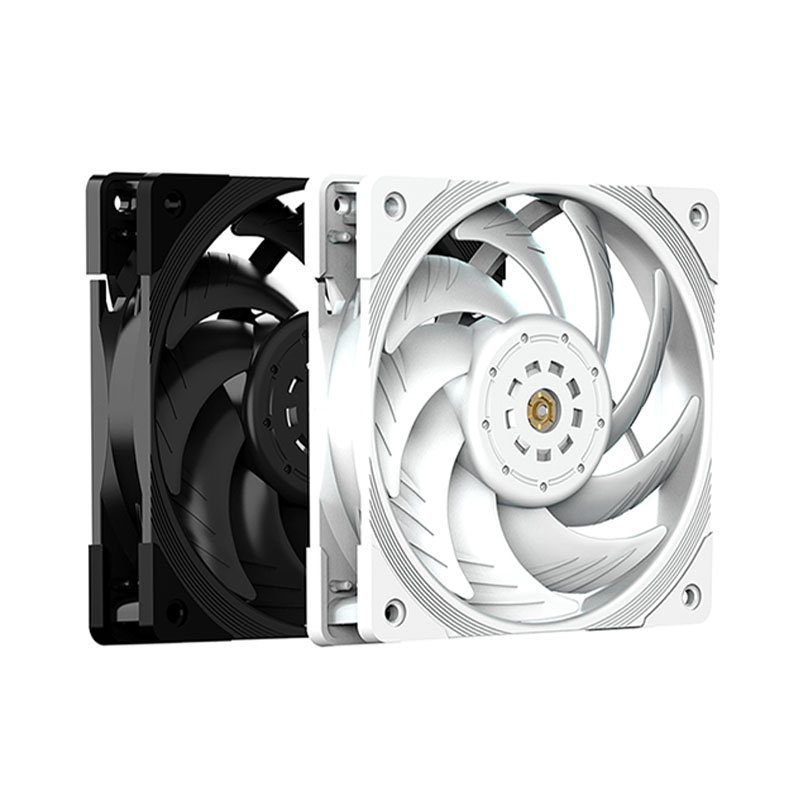
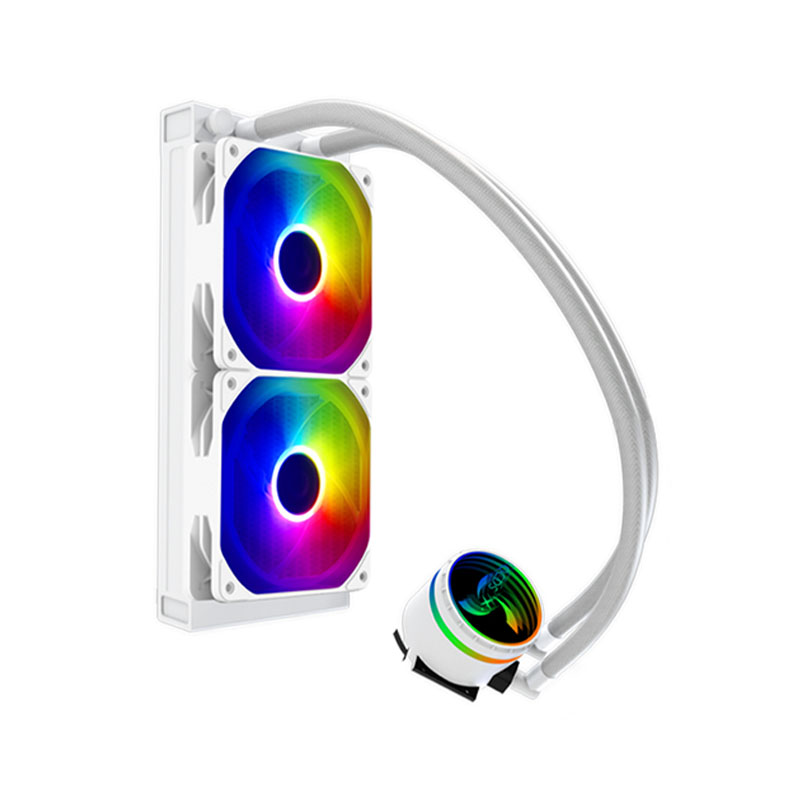
From the perspective of basic air duct design, the installation direction of a desktop chassis fan should follow the principle of "front in, back out, bottom in, top out".
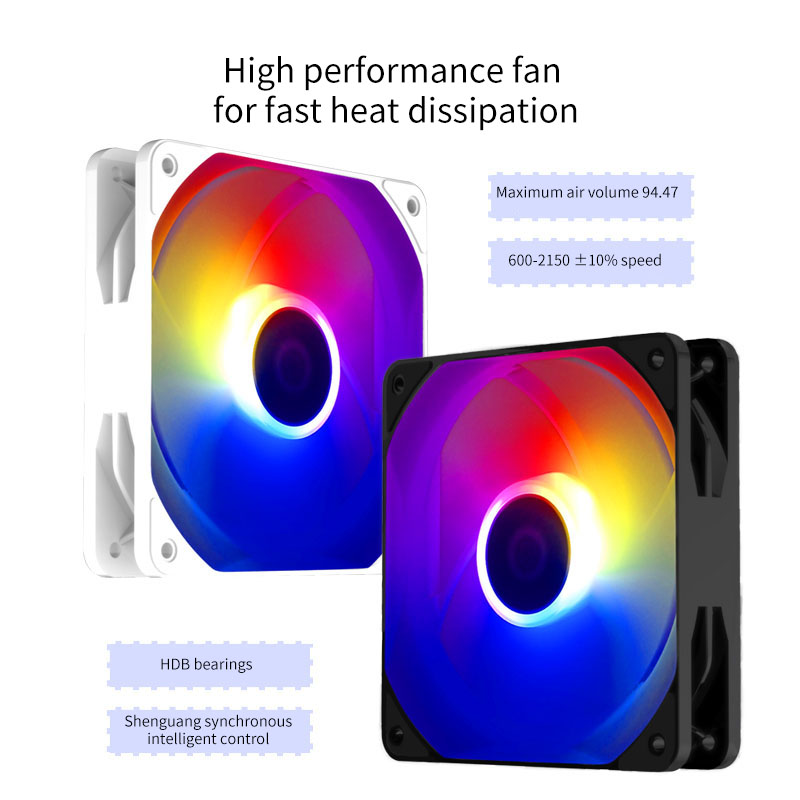
High-performance chassis cleverly achieve an optimized balance between airflow and air pressure through fluid dynamics fan blade design, becoming an "air engine" for efficient heat dissipation.
Optimizing the rigidity of the chassis structure is equally important. Thin steel chassis are easily deformed by vibration, amplifying resonant noise.
In the era of high-performance computing, CPU processing power continues to increase, leading to exponentially growing heat dissipation.
Desktop chassis fans fully participate in the computer's cooling process by promoting air convection, optimizing internal airflow, assisting core cooling, reducing overall ambient temperature, and achieving silent operation.
Chassis fans demonstrate multiple performance advantages under high loads: efficient heat dissipation, intelligent speed regulation, optimized structure.