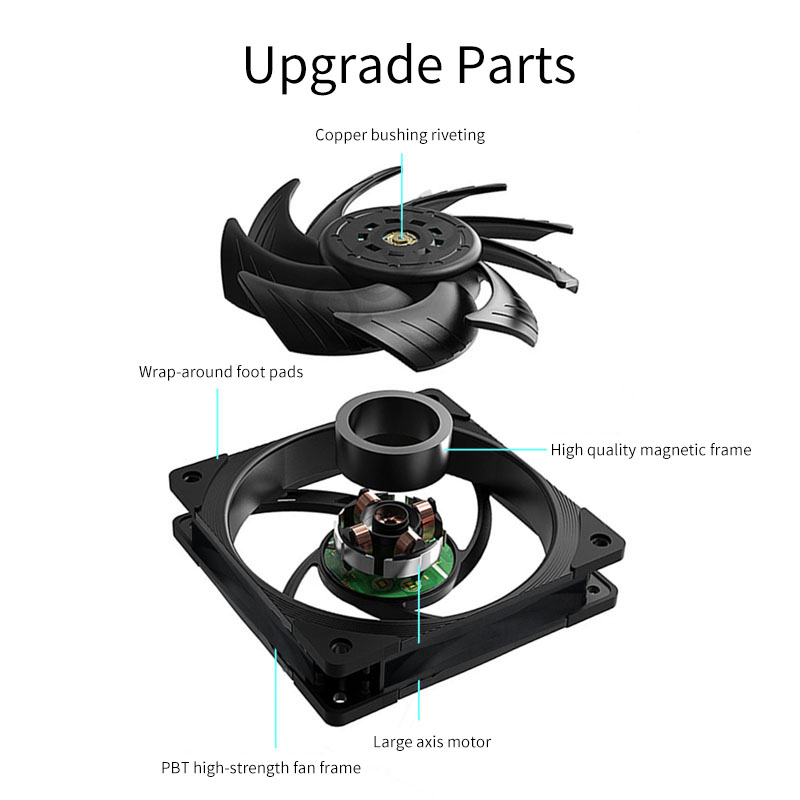
The vibrations generated by the chassis fan when it is running at high speed can easily cause resonance if they are directly transmitted to the chassis, leading to a decrease in the stability of the host and even annoying noise.
The chassis fan's ability to switch seamlessly between these two needs lies in its precise speed regulation mechanism. This mechanism achieves dynamic perception and precise response to cooling demands through the triple collaboration of hardware interfac
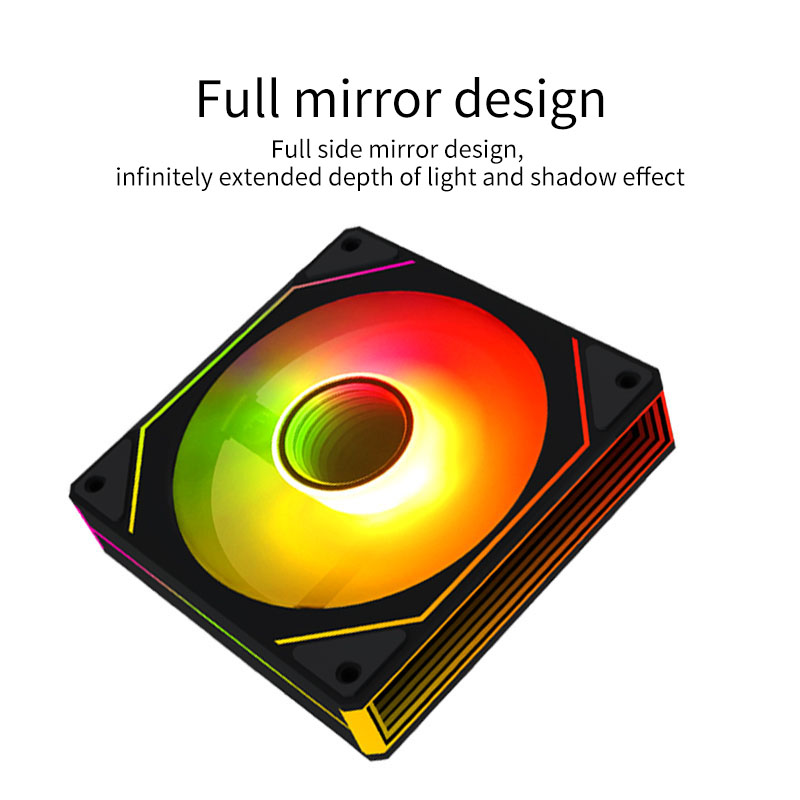
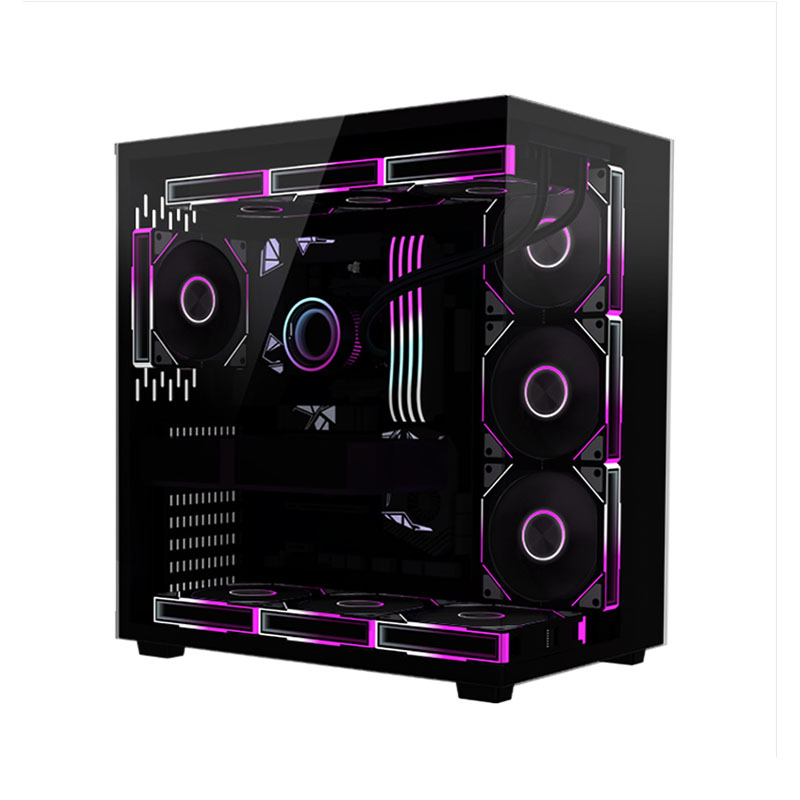
In the construction of modern high-performance computers, performance is no longer the sole pursuit—aesthetics, individuality, and immersion are equally important.
Computer cooling chassis fans, through high static pressure performance, optimized blade structure, advanced bearing systems, and intelligent control strategies, maintain strong and stable airflow output even behind dense obstacles.
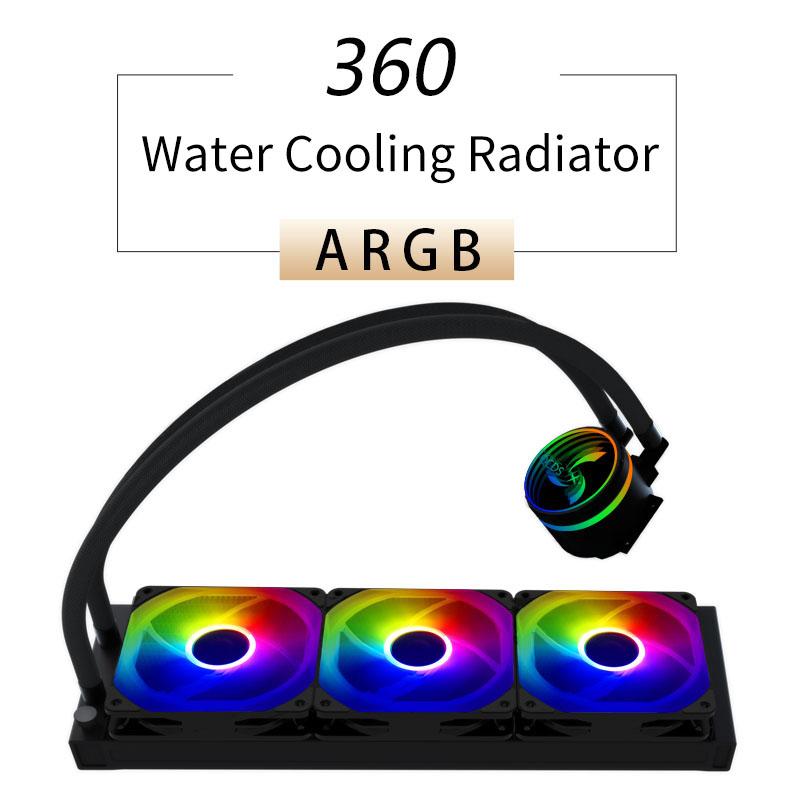
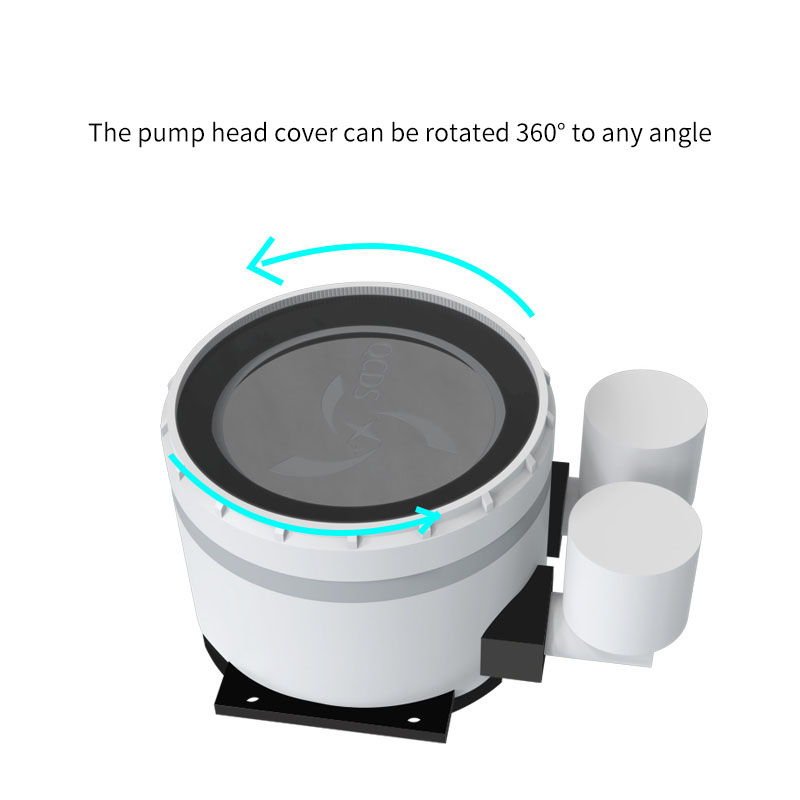
In high-performance computing, content creation, and even everyday office scenarios, the computer CPU radiator not only bears the heavy responsibility of ensuring stable system operation but also directly impacts the user's auditory experience.
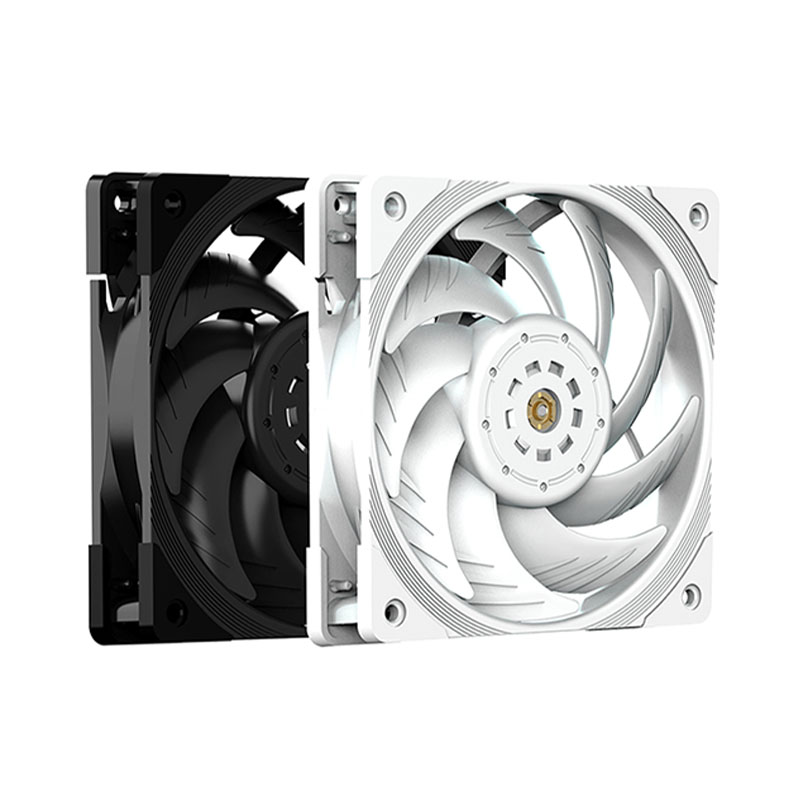
In modern high-performance PCs, chassis fans have long transcended simple cooling, becoming composite components integrating airflow management and visual aesthetics.