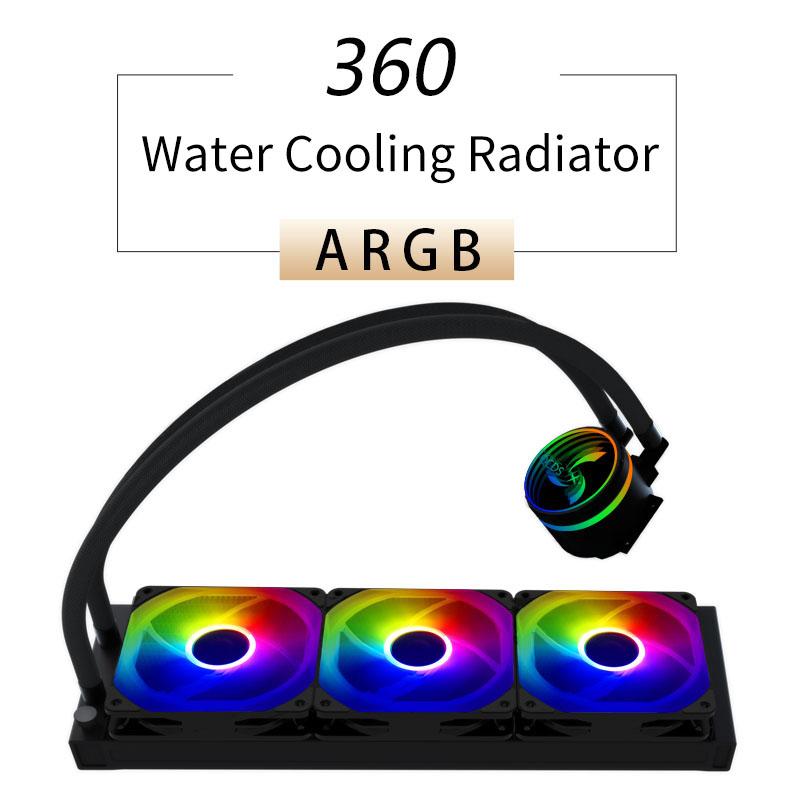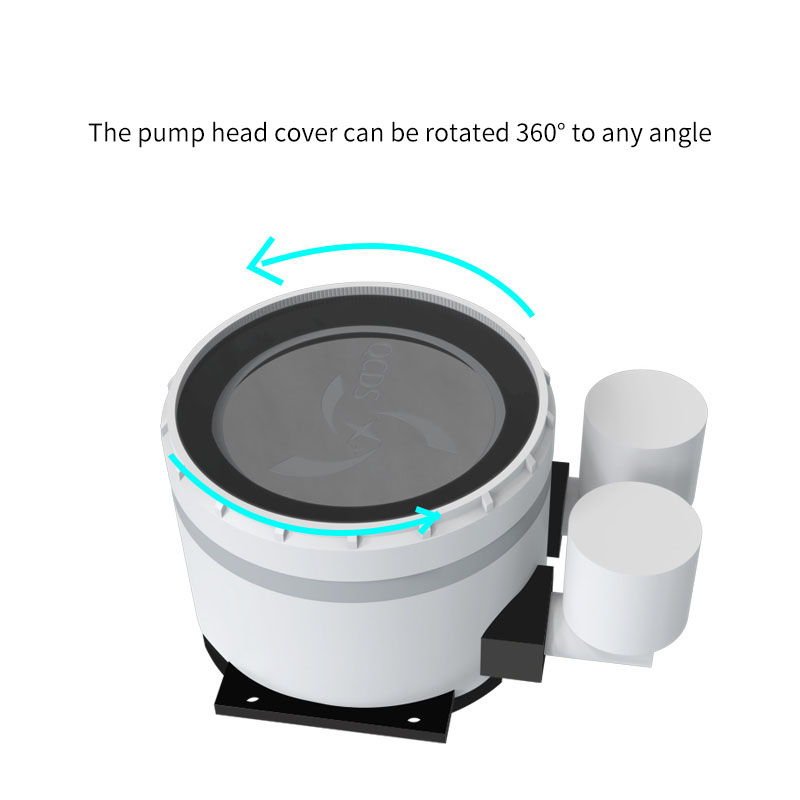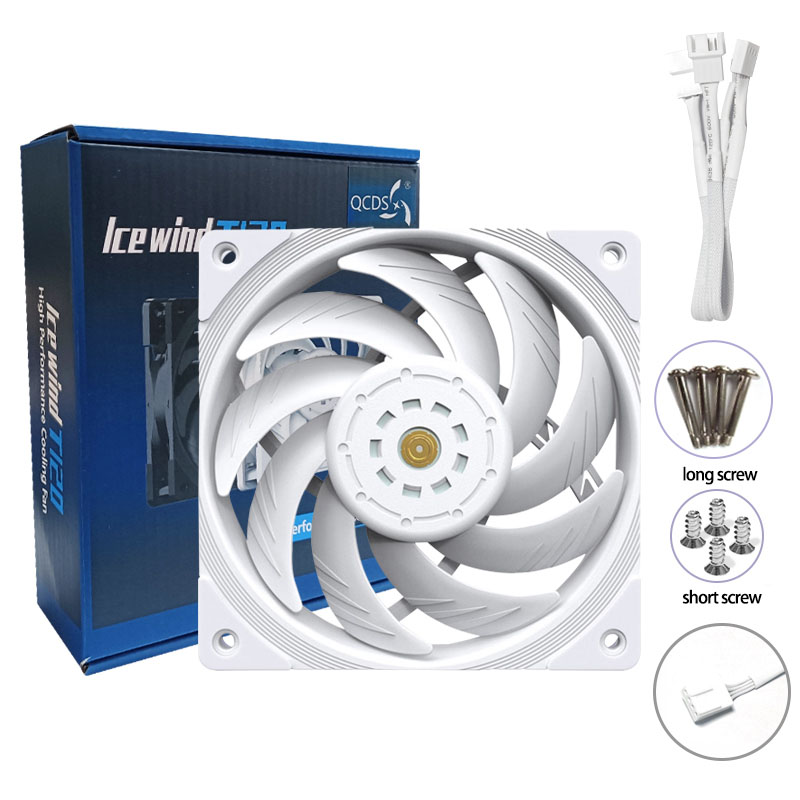
In high-performance computing, content creation, and even everyday office scenarios, the computer CPU radiator not only bears the heavy responsibility of ensuring stable system operation but also directly impacts the user's auditory experience.
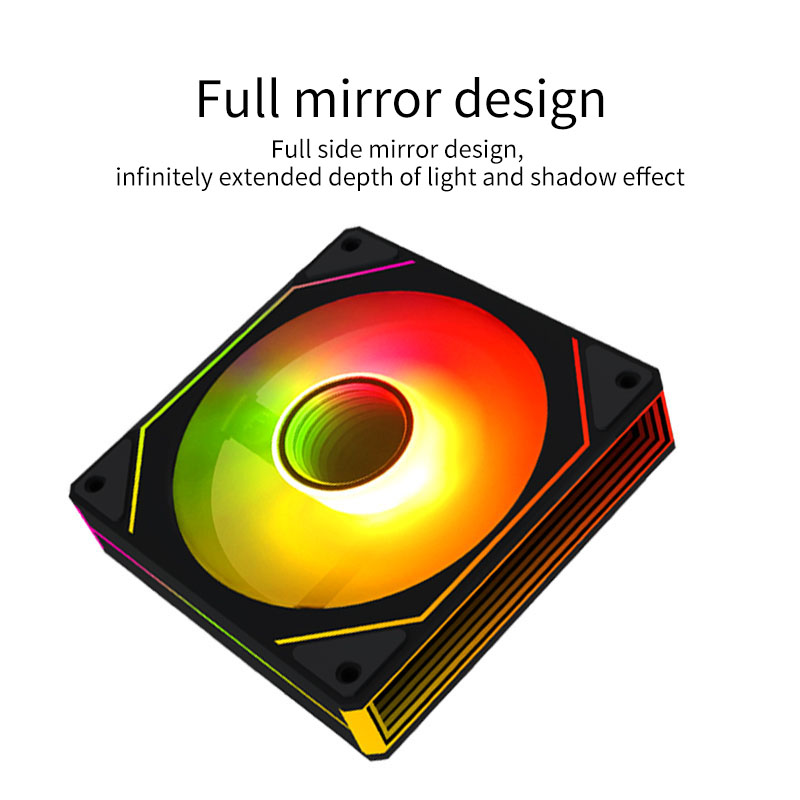
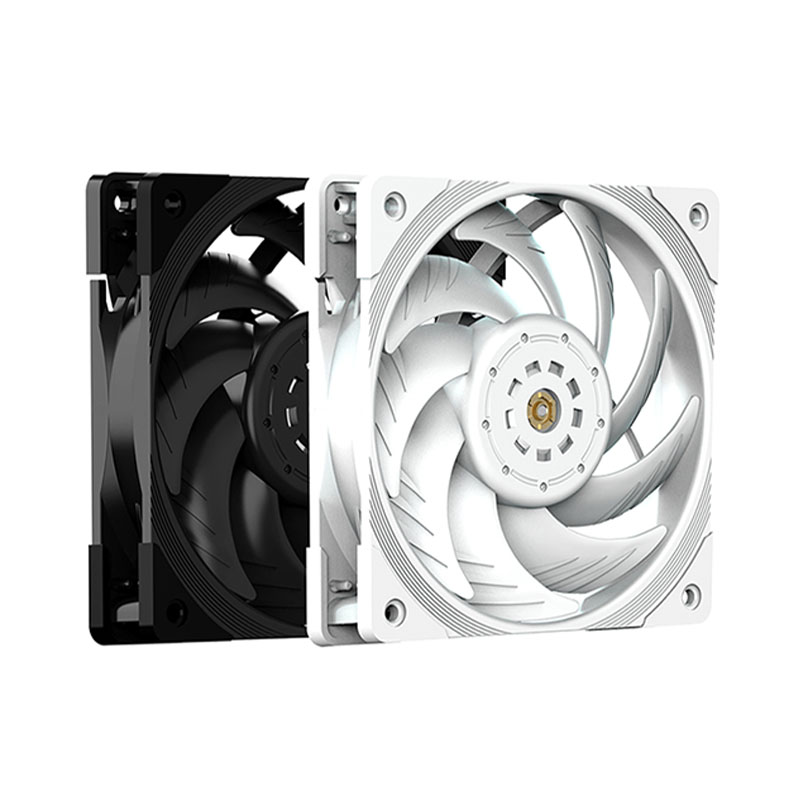
In modern high-performance PCs, chassis fans have long transcended simple cooling, becoming composite components integrating airflow management and visual aesthetics.
The desktop chassis heat dissipation high wind pressure chassis fan was designed to solve this problem—through its unique aerodynamic design and structural optimization, it achieves precise airflow, "breaking through walls" in confined spaces, efficiently
Within the compact space of an ITX small form factor case, the Computer CPU Radiator achieves the dual goals of high efficiency and quiet operation with its "compact yet uncompromising" design philosophy.
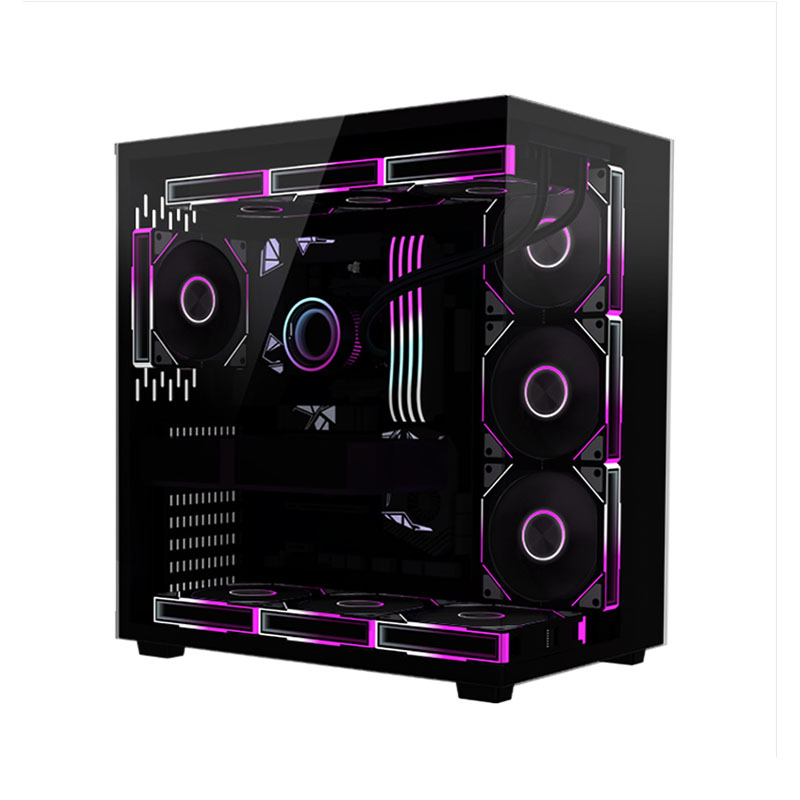
By scientifically planning fan placement, matching hardware characteristics, and paying attention to dust prevention and cable routing, an efficient and quiet chassis airflow system can be constructed.
In terms of fan type, axial fans, mixed-flow fans, and centrifugal fans each have their own characteristics regarding the relationship between speed and air volume.